North American Food and Culture: Fusion, Adaptation, and Global Heritage.
When people think of North American food, it is easy to default to modern fast food or popular comfort staples. However, the true culinary story of this continent is vastly more complex, rich, and dynamic. Stretching from the icy Arctic tundra down through vast agricultural heartlands, coastal wetlands, and tropical Caribbean islands, North America’s food culture is defined by continuous adaptation, indigenous wisdom, and global fusion.
What makes North America fascinating from a food perspective is how its national cuisines tell the story of human movement. Ancient indigenous farming knowledge combined over centuries with waves of global migration—from early European settlers and enslaved African populations to Asian, Middle Eastern, and Latin American immigrants—creating entirely new, resilient culinary traditions found nowhere else on Earth.
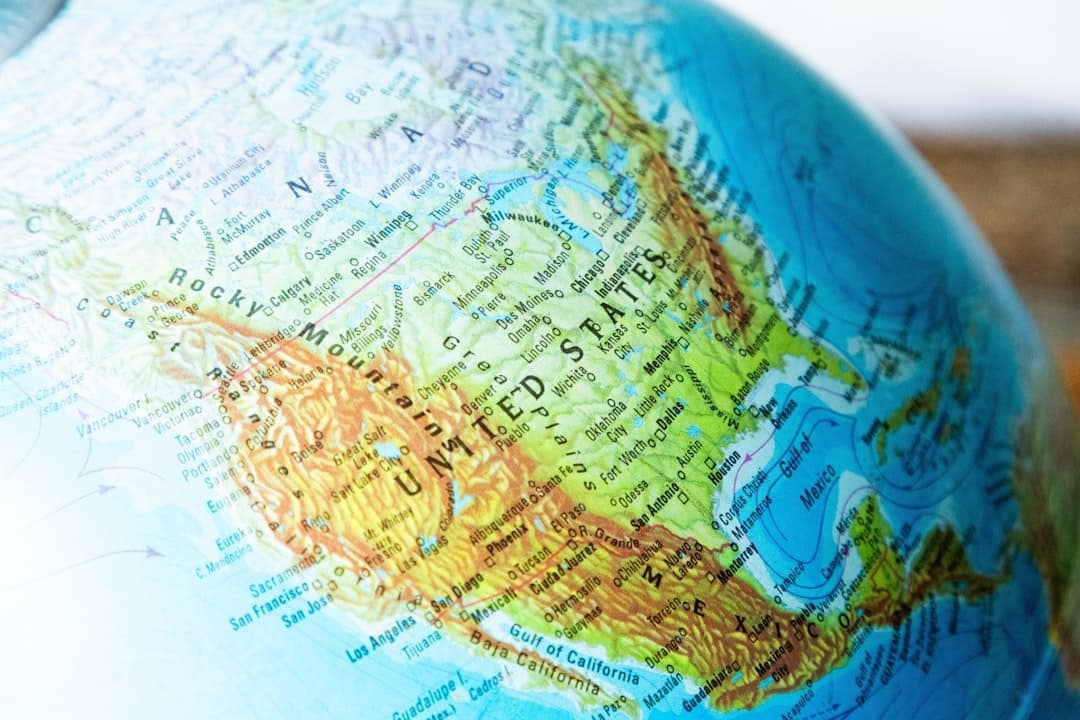
Luckily for me I have been to Canada, the USA and Mexico. So I am well travelled in the continent and hopefully this will make the continent of North America a little less of a challenge when it comes to cooking the recipes.
The Diversity of North American Food
North America’s geography dictates a wildly diverse landscape of flavors, staple ingredients, and cooking methods:
- The Caribbean & Central America: Bright, fiery, tropical, and deeply historic. Built on an ancient foundation of chili peppers, cassava, plantains, maize, black beans, and slow-roasted meats, these island and coastal cuisines blend African, European, and Indigenous Taíno/Maya heritage into unforgettable centerpiece dishes.
- Mexico: Recognized by UNESCO as an Intangible Cultural Heritage of Humanity. Mexican cuisine is an ancient, sophisticated system built around maize (corn), beans, squash, and wild chilies. It features incredible technical mastery, from ancient nixtamalization processes to multi-ingredient mole sauces and slow-braised meats.
- The United States & Canada: A vast mosaic of distinct regional foodways shaped by geography and settlement. From Cajun and Creole gumbos in the Louisiana bayous and slow-smoked barbecue in the American South, to Atlantic seafood chowders, maple-infused northern dishes, and rich indigenous wild-game preparations.
Adaptation, Innovation, and Survival
North American food is proof that culinary traditions are living things. It is a continent where heritage dishes live side-by-side with constant innovation. Here, a recipe carried across an ocean in a family memory was adapted using local ingredients—replacing European grains with indigenous corn, or introducing African smoking and braising techniques to local livestock—giving birth to world-famous regional specialties.
Food across North America is also about celebration and resilience. Whether it is a Caribbean street festival, a Southern family pig pickin’, a Mexican día de fiesta, or a northern harvest gathering, meals are used to mark milestones, honor heritage, and bring diverse communities together around a shared table.
Ready for the Journey
Tackling North America on Cooking the Map will take us on an incredible ride—from island jerk pits and historic Mexican hearths to coastal fishing communities and agricultural heartlands. It is a continent of bold, unpretentious flavors and powerful stories, and I can’t wait to share every dish with you.
For me there is no contest on which country I am looking forward to cooking the most, and that has to be Mexico. I loved the food when I visited and its something I love cooking now, lots of fresh vibrant flavours with some amazing spices and heat – what is not to love! Plus there beer is not to bad either.
Make sure to check back to see what recipes pop up here!
Leave a Reply