Asian Food and Culture: Balance, Harmony, and Ancient Trade.
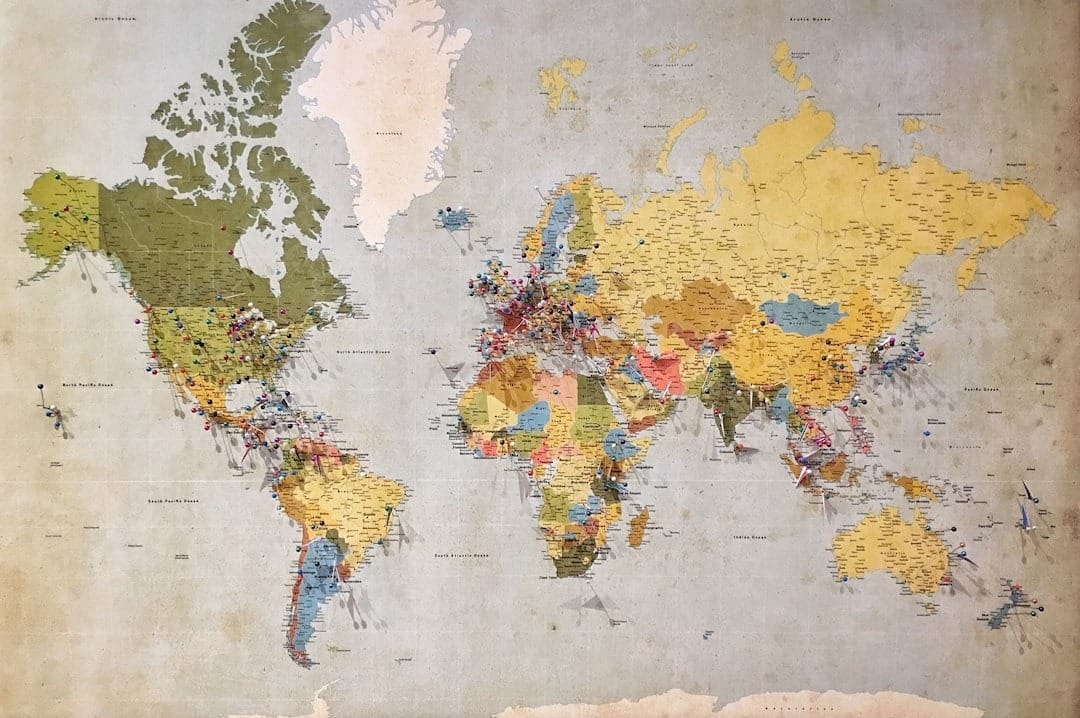
Asia is the largest and most populous continent on Earth, home to over four billion people and culinary traditions that stretch back thousands of years. What ties this vast and incredibly varied region together is a foundational culinary philosophy: the pursuit of balance and harmony.
Whether balancing the fundamental taste profiles—sweet, sour, salty, bitter, and umami—or harmonizing contrasting textures like crispy and silky, Asian cuisine turns the preparation of food into a refined art form. Exploring Asia through its national dishes offers a window into ancient philosophy, complex trade networks, and deeply rooted community rituals that have profoundly influenced global eating habits for centuries.
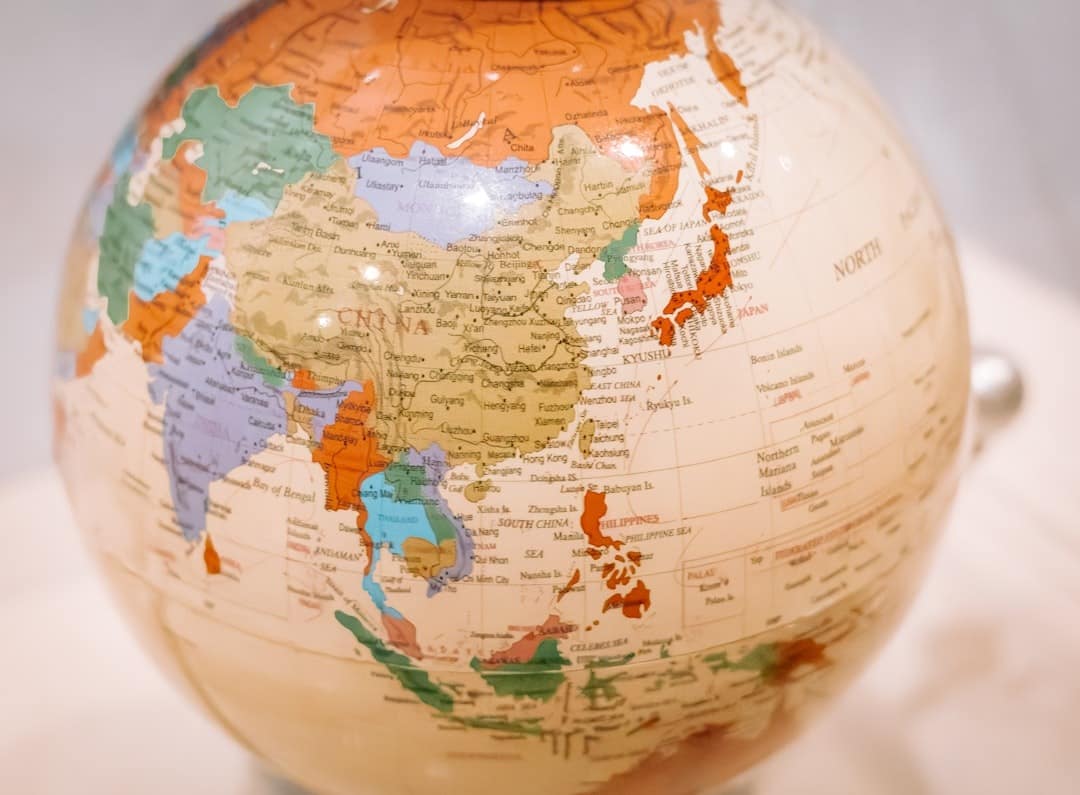
Sadly this is a continent I have yet to visit, I came very close to traveling to South Korea – but the trip was cancelled last minute so I missed out on some amazing food and culture for sure.
The Diversity of Asian Food
Given its staggering geographical footprint, Asia’s culinary landscape is divided into distinct, highly characterful regional foodways:
- Southeast Asia: Vibrant, aromatic, bold, and fiercely fresh. This region is famous for its intricate balance of hot chilies, sour citrus, palm sugar, and aromatic herbs like lemongrass, galangal, and Thai basil. Rich coconut milk and complex pounded spice pastes define iconic main dishes, such as Indonesia’s dark, slow-caramelized Beef Rendang.
- East Asia: Masterful emphasis on seasonality, technical precision, high-heat wok cookery, and ancient fermentation techniques (such as soy sauce, miso, black vinegar, and kimchi). Staples center around short-grain rice, handmade noodles, delicate broths, and preserving the natural integrity of fresh ingredients.
- South Asia: World-renowned for its sophisticated mastery of spice chemistry. Complex masalas (spice blends), fragrant basmati rice pilafs, rich slow-simmered curries, and tandoori grilling fill the air with irresistible aromas, combining medicinal Ayurvedic principles with rich regional heritage.
- Central & Western Asia: Defined by historic Silk Road trade routes. Here you find rich rice pilafs (palaws), flame-grilled meats, flatbreads baked in clay ovens, and subtle infusions of warm spices like cardamom, saffron, cumin, and dried fruits.
Food as Community, Honor, and Balance
Across Asian societies, food is fundamentally communal. Meals are rarely served as isolated individual plates; instead, a spread of complementary dishes is placed in the center of the table for everyone to share. This style of eating reflects a broader cultural commitment to community, hospitality, and interdependence.
Food in Asia is also deeply tied to traditional medicine and well-being. Ingredients are often chosen not just for flavour, but for their thermal properties (warming vs. cooling foods) and their ability to restore balance to the body. Preparing these meals is typically a multi-generational affair, with complex techniques and family secrets passed down through daily hands-on practice.
Mastering the Asian Kitchen
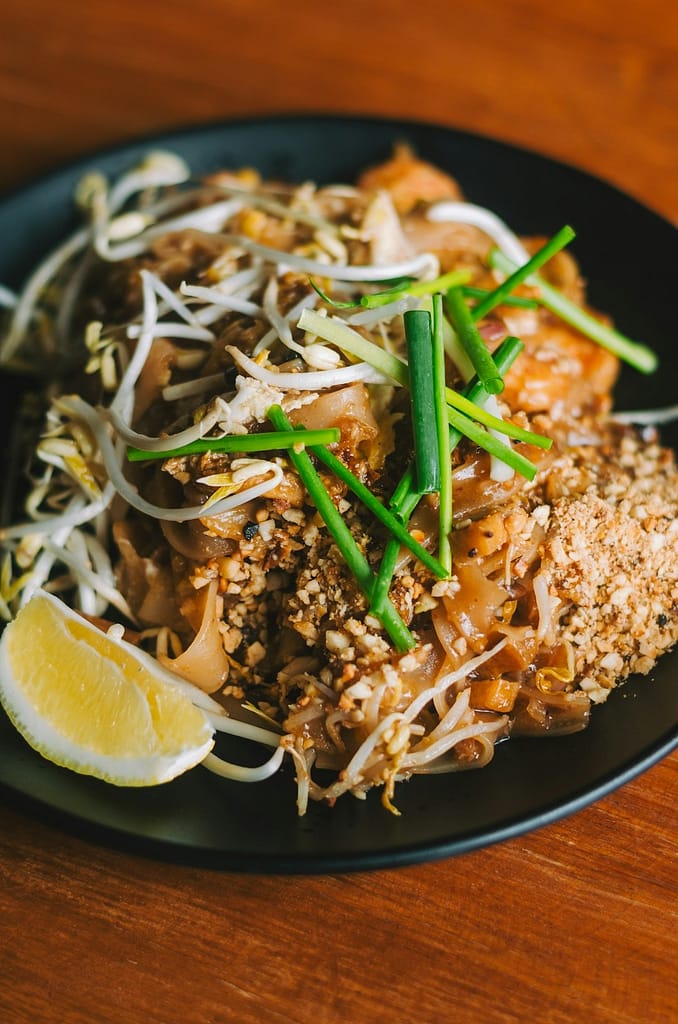
For me, cooking Asian main dishes is equal parts thrilling and humbling. Learning to master high-heat wok execution, balancing delicate spice pastes, and honouring the slow reduction methods of traditional curries will test my patience and precision in the best possible way.
For me I am most excited to discover the food of western Asia, often known as the Middle East. The Middle East has always been somewhere where to food has always been exciting to me, so I am looking forward to making some dishes from there.
Join me as we travel from night markets and mountain villages to coastal trading ports, exploring the incredible main dishes that define Asian culture.
Leave a Reply