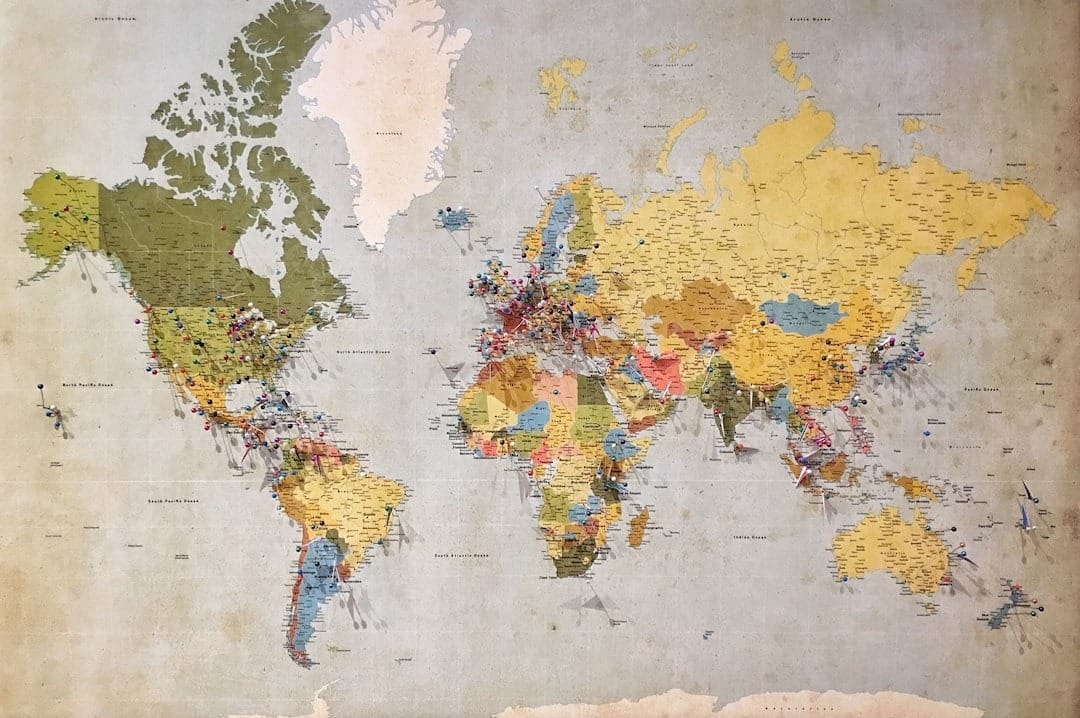
South American Food and Culture: Ancient Roots, Alpine Heights, and Open Fires.
South America is a continent of breath-taking geographical extremes. Stretching from the tropical Amazon rainforest and high Andean peaks down to the windswept plains of Patagonia and two vast ocean coastlines, its culinary landscape is one of the most vibrant, diverse, and deeply rooted on Earth.
When I think of South America, I think of passion, fire, and respect for nature’s bounty. Food here is far more than everyday fuel—it is a celebration of community, an expression of regional identity, and a living bridge connecting ancient civilisations to modern tables.
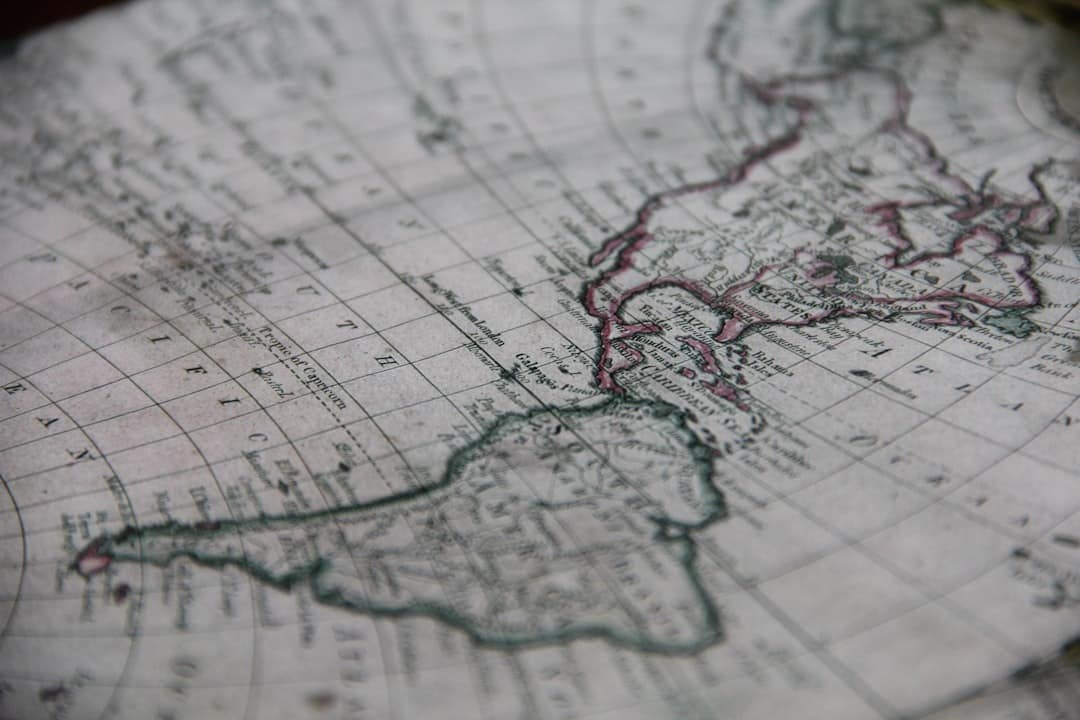
I have not visited South America yet, I have always wanted to travel to Peru and see Machu Picchu – maybe one day! However the food has always excited me, I have tried a good amount of the different cuisines on offering. The continent also produces some of my favourite wines too – Carménère.
South America to me has a mystery of exploration about it, I was always interested with the history of the continent – especially the Spanish and Portuguese influences from the conquistadors when during the 1500s, these men sailed to the Americas to find gold, claim land, and spread the Christian religion. In turn we find a lot of influence in the food here.
The Diversity of South American Food
Because South America encompasses so many distinct microclimates—from coastal waters and tropical valleys to high-altitude mountain plateaus—its staple ingredients and regional styles vary dramatically:
- The Andean Highlands (Peru, Bolivia, Ecuador): Home to the ancient Inca Empire, this region gave the world potatoes, quinoa, and wild maize. High-altitude cooking focuses on hearty soups, earthy tubers, braised meats, and fresh, acid-cured coastal seafood like ceviche.
- The Southern Cone (Argentina, Uruguay, Chile): Famous for expansive grasslands (pampas) and historic cattle-ranching culture. Built around open-fire cooking (asado), simple seasonings, world-class wines, and Italian-influenced comfort classics like crispy, cheese-melted Milanesa a la Napolitana.
- Tropical & Coastal Regions (Brazil, Colombia, Venezuela): Vibrant, colourful, and deeply influenced by Indigenous, African, and Portuguese heritage. Built on a rich foundation of cassava, plantains, black beans, coconut milk, and slow-simmered stews like Brazil’s iconic Feijoada.
The Sacred Fire and the Communal Table
Across South America, mealtime is inherently social and frequently centered around live fire. The asado or churrasco isn’t just a barbecue—it is a sacred weekend ritual where friends and multi-generational families gather for hours around glowing coals while meat cooks low and slow.
There is also a deep spiritual reverence for ingredients that dates back thousands of years. Indigenous traditions honouring Pachamama (Mother Earth) still influence how crops are harvested, cooked, and shared today. Meals are long, unhurried, and served with immense warmth and generosity.
What Lies Ahead on the Map
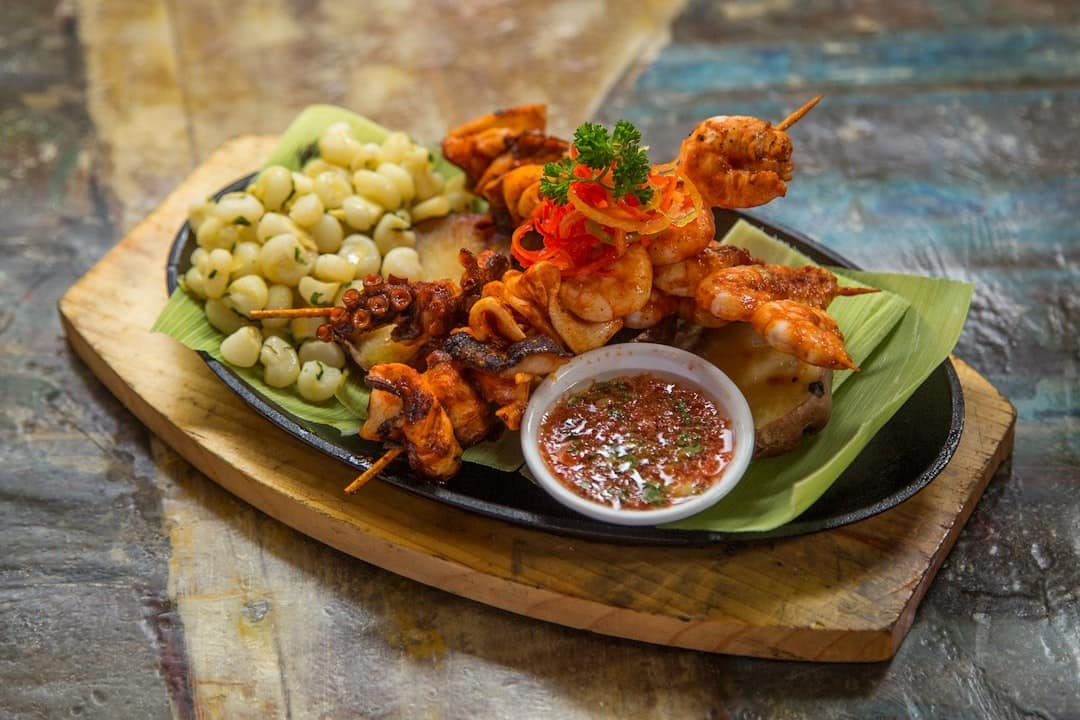
Tackling South America on Cooking the Map is going to be an exhilarating adventure. We’ll be exploring everything from fiery coastal stews and fragrant Andean corn dishes to perfectly seared street-side cutlets and slow-cooked regional feasts.
Get ready for big, bold flavours, incredible food history, and recipes designed to bring people together around the table!
Why not get started with Argentina with this amazing Chimichurri recipe?
Leave a Reply