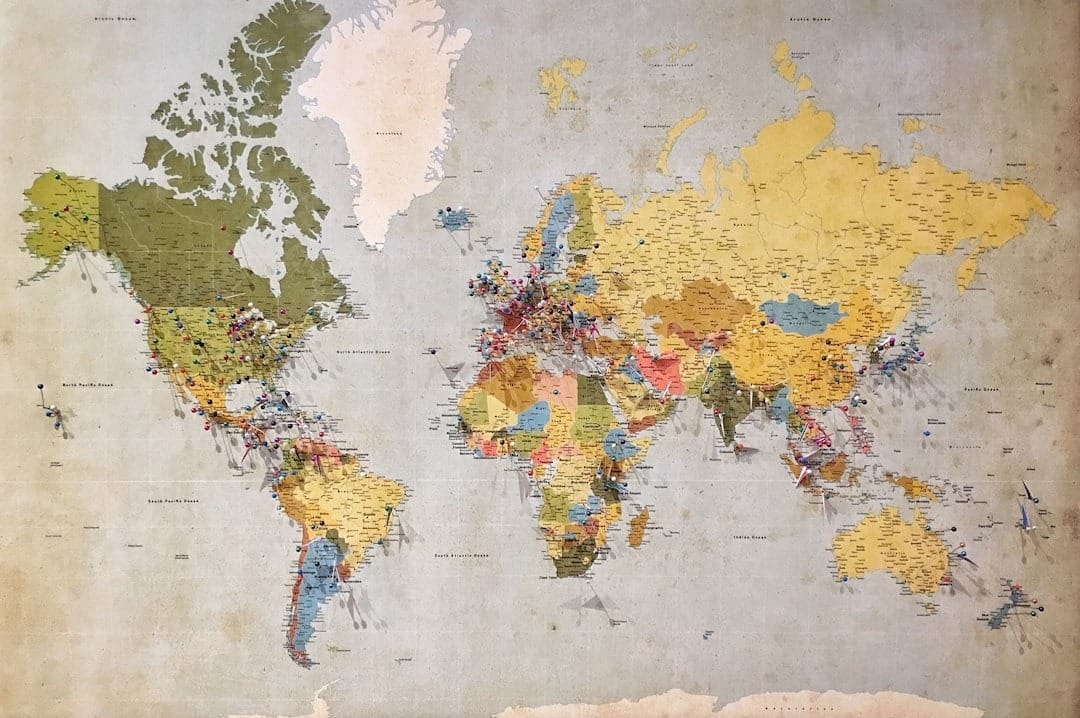
European Food and Culture: History, Tradition, and Regional Pride.
Europe may be one of the smaller continents by landmass, but its culinary footprint is massive. From the rustic, olive-oil-drenched kitchens of the Mediterranean to the rich, slow-simmered stews of Eastern Europe, food here is a masterclass in how geographic landscape and history shape what ends up on the dinner plate.
When I think of Europe, I think of deep-rooted regional pride. Recipes here aren’t just instructions; they are protected traditions. A single dish can vary wildly from one town to the next, with families guarding their specific methods for generations.
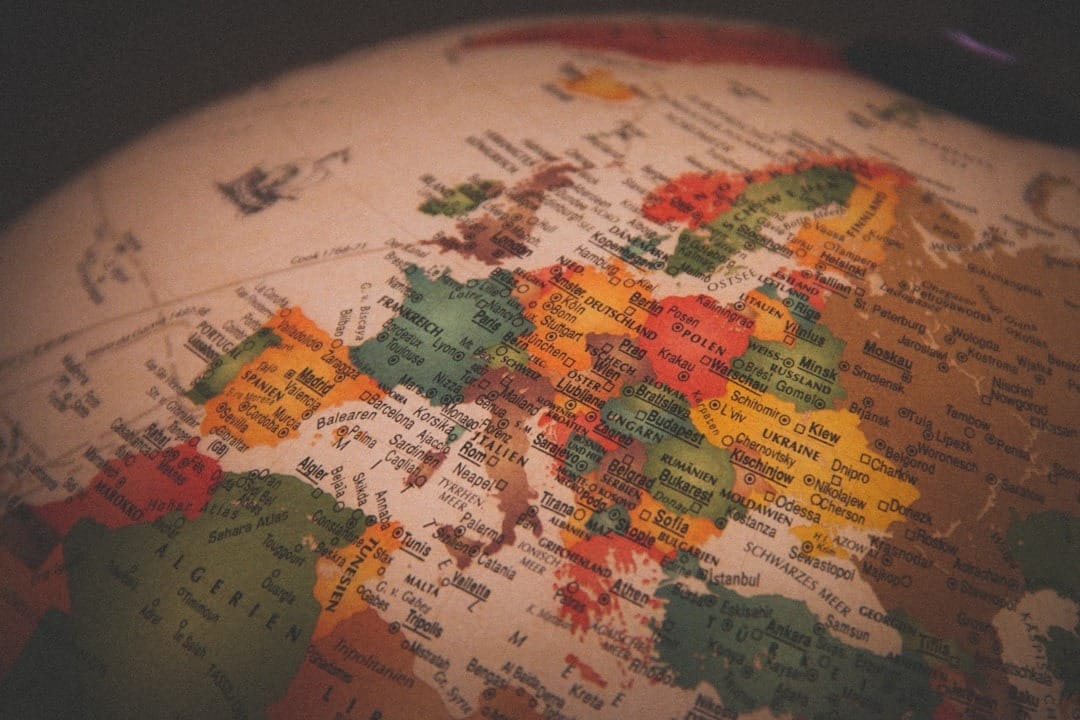
Being from Europe myself a lot of the countries here I have managed to explore. So this continent will have some of my favourite dishes to cook up. Again, food often sparks memories for people, and for me I think it has to be Hungary that really has amazing food memories.
The Diversity of European Food
European cuisine spans a dramatic range of climates, ingredients, and techniques:
- Southern Europe: Defined by sun-drenched produce, fresh herbs, wild seafood, cold-pressed olive oils, and historic viticulture. The philosophy here centers on simplicity—allowing exceptional ingredients to speak for themselves. You see this in everything from crisp, flaky Pastéis de Nata in Portugal to tender breaded cutlets with deep Italian heritage.
- Western & Northern Europe: Hearty, comforting, and historically crafted to sustain communities through cold winters. Built on a foundation of quality livestock, root vegetables, rich butter, hard cheeses, and sophisticated baking traditions, this region spans everything from slow-cooked French braises to classic British roasts.
- Eastern Europe: World-renowned for deep, warming flavors, ancient preservation techniques, fermentation, and long, patient simmering. Dishes like authentic Hungarian Goulash use generous amounts of sweet paprika, slow-sweated onions, and tender cuts of beef to build incredible depth without relying on artificial thickeners.
Food as Heritage and Preservation
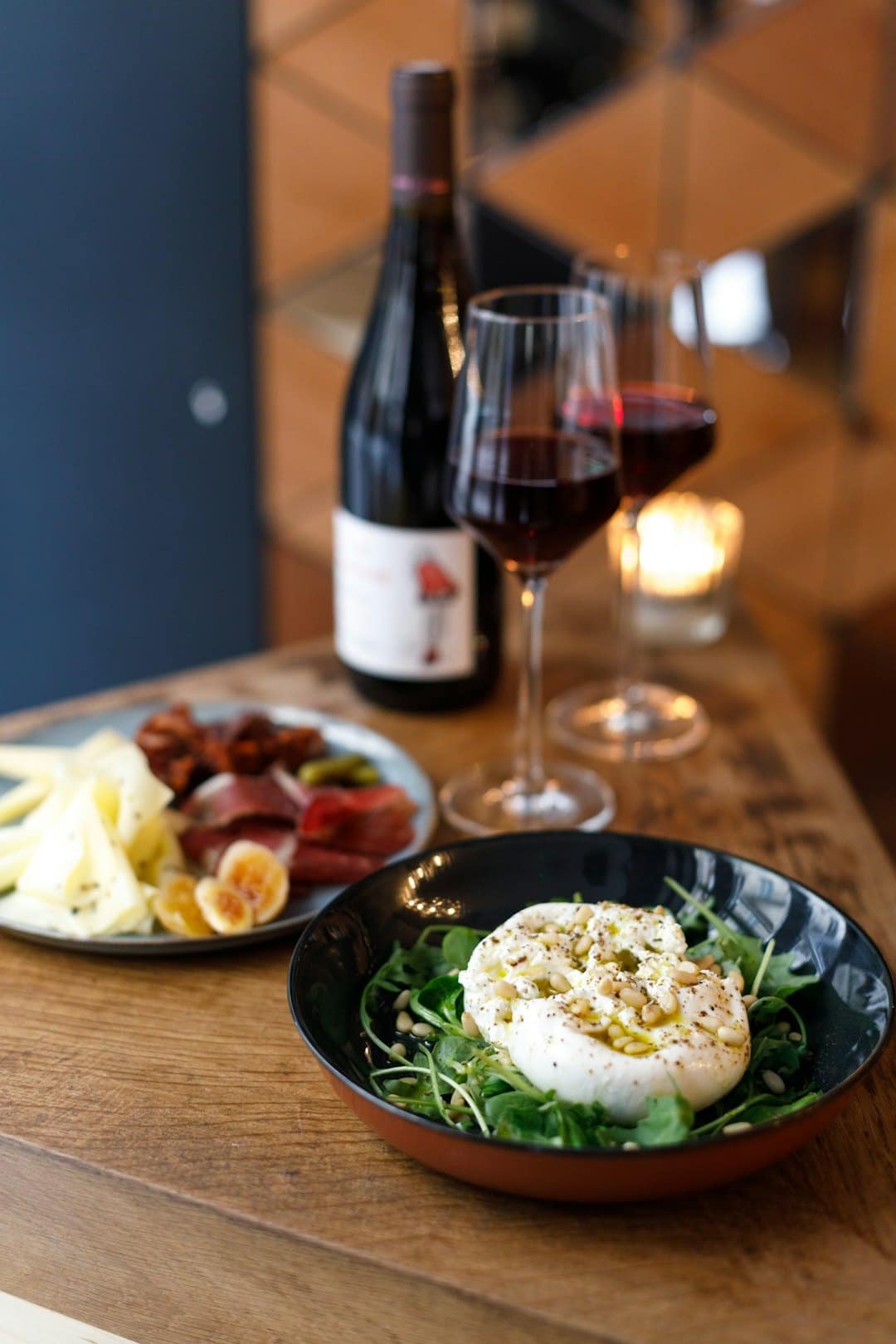
In Europe, food is tied directly to land and legacy. Concepts like terroir—the idea that the climate, soil, and region directly influence the taste of wine, cheese, and produce—originated here. Mealtime is rarely rushed; it is an event cantered around family, fresh bread, a bottle of wine, and good conversation.
Europe is also interesting as a lot of its countries have somewhat of a mixed past, colonialisation and global conquest has made it that a lot of modern day food has roots from all over the world, and it works the other way too – a lot of countries have influence today from the past.
The European Journey Ahead
Exploring Europe on Cooking the Map is going to be an incredible lesson in precision and tradition. I’m excited to dive into iconic national main dishes, master classic techniques, and discover the stories behind how these regional staples came to be.
I particularly have a love for the classical French style of cooking, and often i use its influence and techniques in a lot of recipes I have make. So getting to finally cook a dish from France and document it one here will be great fun – its just deciding which dish to cook!
Check back regularly as we add new European country posts and tackle the continent’s most celebrated main dishes, step by step!
Leave a Reply