African Food and Culture: A Rich Tapestry of Flavours and Traditions
Africa is a vast continent with an incredibly diverse array of cultures, languages, and Africa is a vast continent with an incredibly diverse array of cultures, languages, and traditions. One of the most vivid expressions of this diversity is found in the food we will be exploring together.
When I think of Africa, I think of vibrant colours, rich history, and vast open landscapes filled with nature and endless adventure. It is impossible to fully summarise such a massive continent in a brief post, but as we visit each country on this journey, we will delve deeper into their unique histories and culinary traditions.
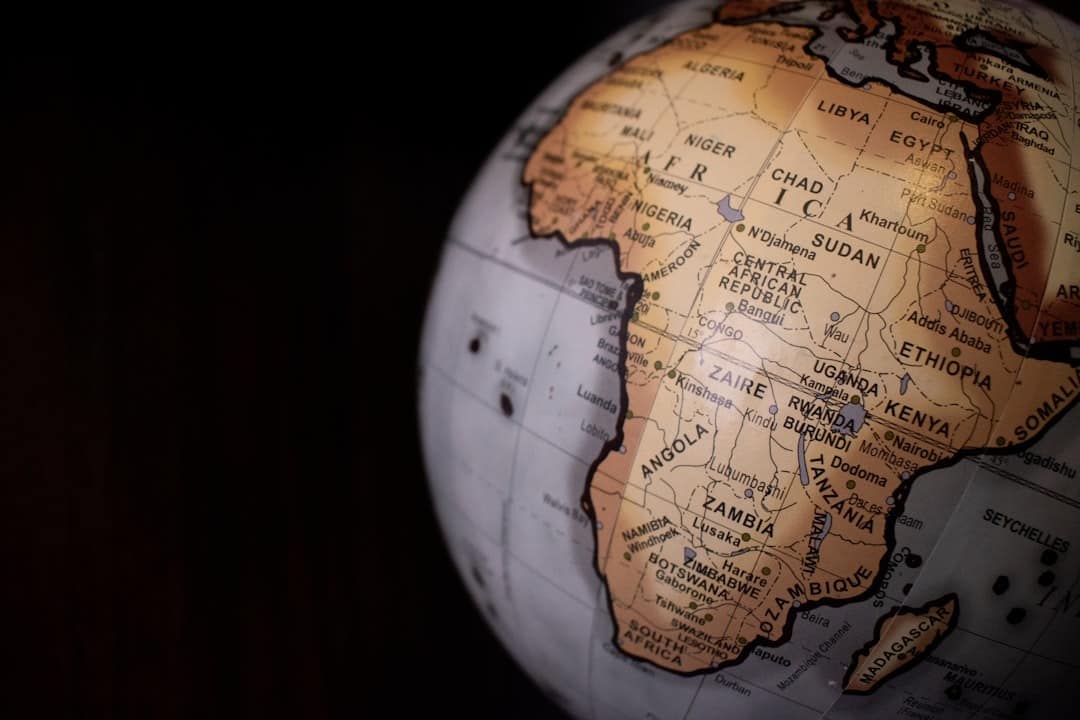
African cuisine is a rich tapestry woven from indigenous ingredients, centuries-old cooking methods, and the influences of historical trade and interaction. Exploring these dishes offers not just a culinary adventure, but a window into the continent’s vibrant heart.
The Diversity of African Food
From the spicy stews of West Africa to the savoury braais (barbecues) of Southern Africa, and the aromatic tagines of North Africa to the hearty grains and vegetables of East Africa, every region boasts distinct flavours and staples. Ingredients like millet, sorghum, yams, cassava, plantains, and a wide variety of beans and spices form the backbone of many traditional dishes.
- West Africa: Dishes such as Jollof rice, egusi soup, and fufu are everyday staples that bring families together.
- North Africa: Features couscous, harira soup, and an abundance of spices like cumin, coriander, and saffron, reflecting Mediterranean and Arab influences.
- East Africa: Known for dishes like injera (a sourdough flatbread) and nyama choma (grilled meat).
- Southern Africa: Renowned for its use of maize, boerewors (spiced sausage), and chakalaka (a spicy vegetable relish).
There are so many recipes that I cannot wait to explore and challenge myself with. Having been lucky enough to visit a few African countries when I was younger, the food was absolutely amazing and really ignited my interest in cooking across cultures. Back then, I didn’t fully appreciate the deep significance food played in local daily life, so I can’t wait to re-examine that with fresh eyes.
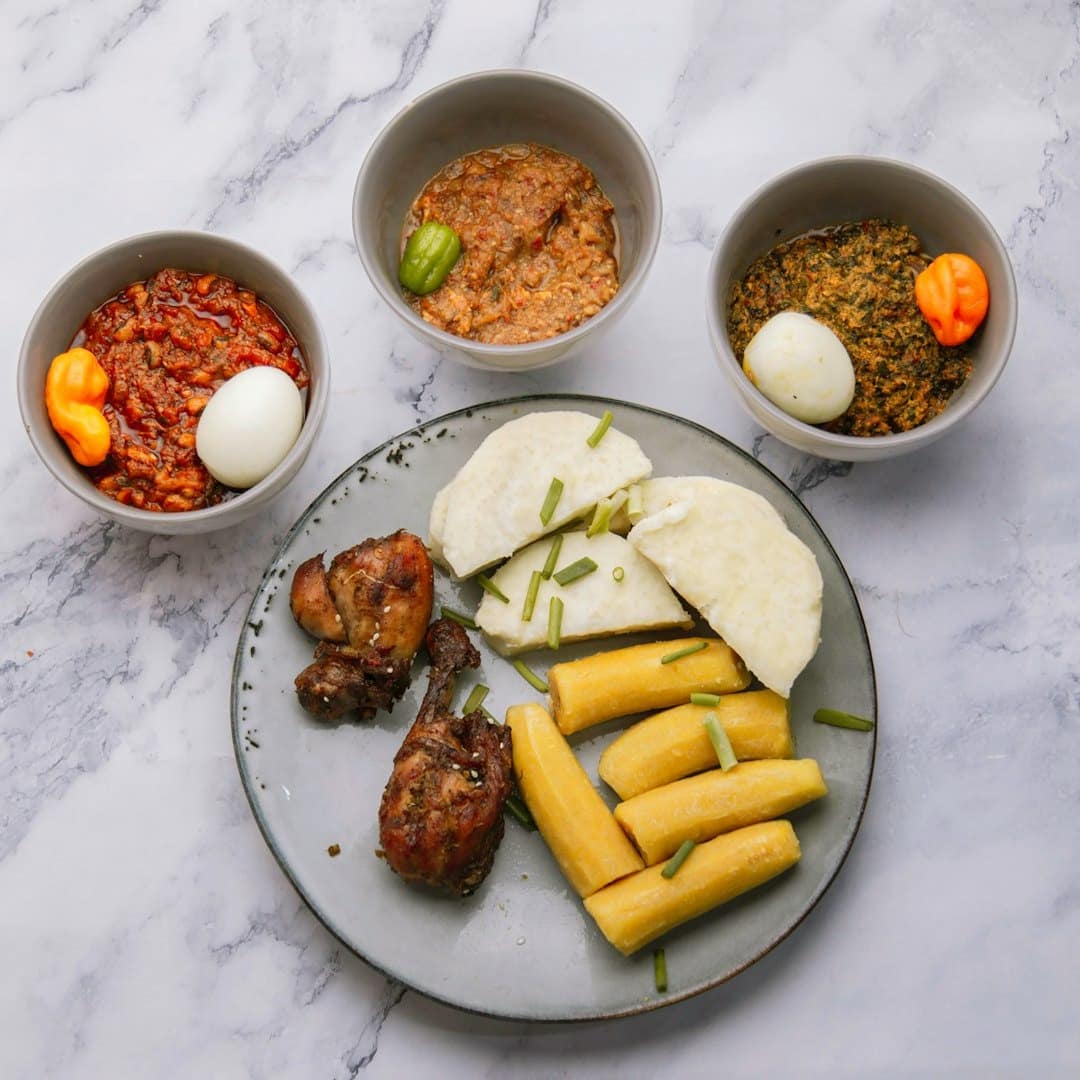
One of my most fond memories is when I was scuba diving off the coast in Egypt, and on the diving boat was a small kitchen where the locals prepared food everyday – it was here where I first tried traditional and authentic African food.
Food as a Cultural Cornerstone
In many African societies, food is much more than mere sustenance; it is a way of life and a primary means of connection. Meals are frequently communal and shared in large groups, symbolising unity, community, and hospitality.
Traditional cooking methods—such as slow-cooking over open fires or using unglazed clay pots—have been passed down through generations, preserving cultural identity right alongside the recipes themselves. Celebrations and rituals revolve around these meals: seasonal festivals feature special dishes that honour ancestors, mark the harvest, or celebrate major life milestones like weddings and births. The shared preparation of food strengthens social bonds and conveys deep respect and generosity.
Identity, History, and Heritage
Food across Africa tells stories of migration, trade, and adaptation. For instance, the presence of aromatic spices in East African coastal cuisine speaks to centuries of maritime trade across the Indian Ocean. Similarly, the historical introduction of chilli peppers from the Americas transformed African cooking, adding heat and depth to traditional dishes.
Today, modern chefs and food enthusiasts are reclaiming and reinventing these traditional recipes, blending them with contemporary techniques to showcase African culinary heritage on the global stage.
This rich heritage extends into beverage culture as well—particularly wine. South Africa is world-renowned for its historic vineyards, producing some of the most respected, complex wines on the planet (a region I am particularly looking forward to exploring!).
Let’s Get Started!
Exploring African cuisine is, in essence, a journey into the heart of Africa itself. This promises to be one of the most enjoyable—and challenging—cooking adventures of the entire project, but pushing my boundaries is what Cooking the Map is all about.
Check back below as we add country-by-country main dishes to our African culinary map!
Leave a Reply